
The Complete Guide to Building a Roofdeck in Chicago
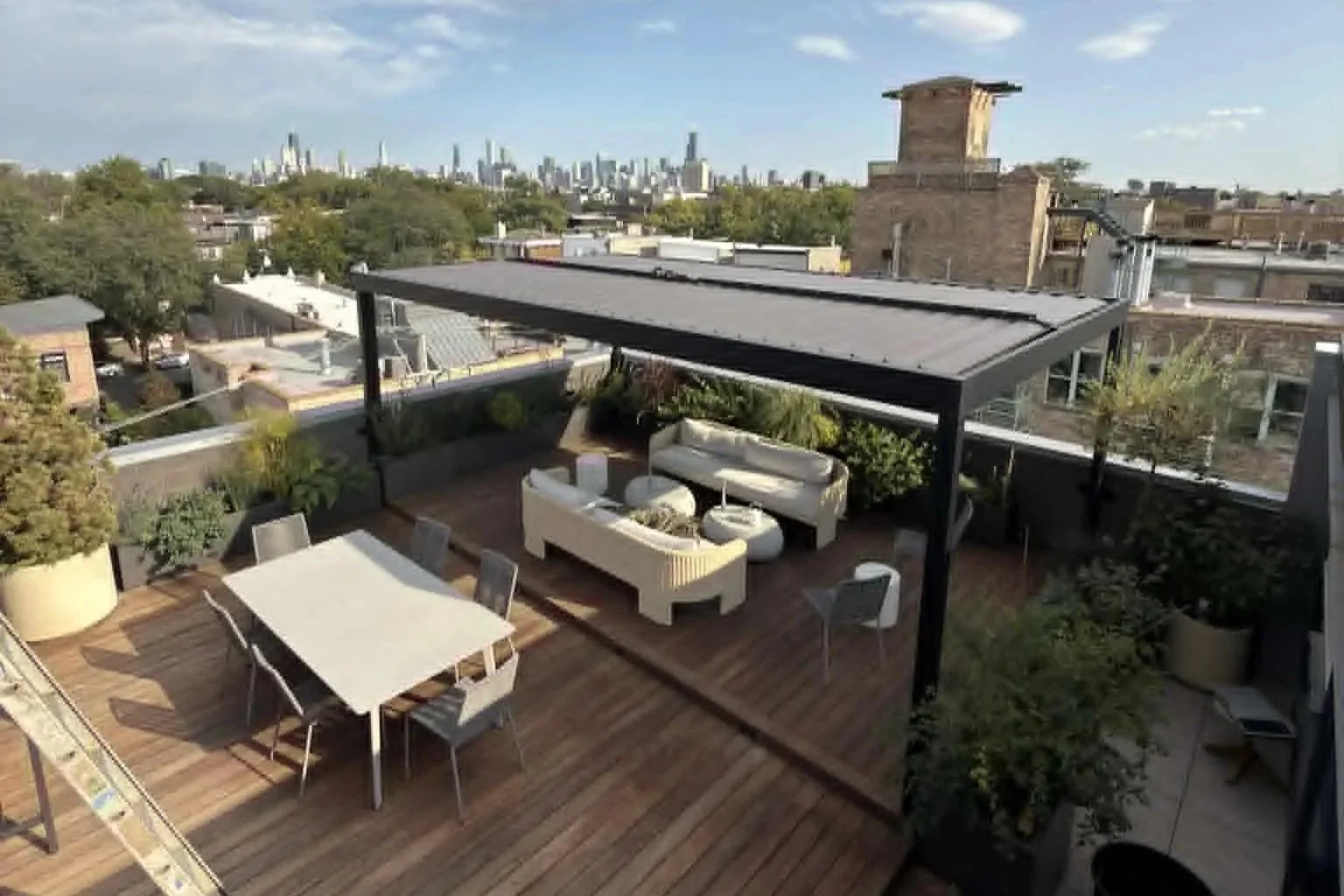
A roofdeck is one of the best investments a Chicago homeowner can make. It adds usable outdoor living space without expanding your footprint, delivers skyline and neighborhood views, and creates a private retreat in the middle of the city. In a market where outdoor space commands a premium, a well-built roofdeck can significantly increase a home's value.
But building a roofdeck in Chicago is more complex than most homeowners expect. The process involves structural engineering, city permits, waterproofing, and material choices that must account for temperature swings from 95 degrees in summer to well below zero in winter.
Here's what every homeowner should know before starting a roofdeck project.
Can Your Roof Support a Deck?
This is the first and most important question. Most Chicago roofs — especially on older homes, greystones, and two- and three-flats — were not designed to carry the weight of a deck, furniture, people, and features like outdoor kitchens or hot tubs.
Before any design work begins, a structural engineer needs to assess the existing roof structure and determine what modifications are required. In most cases, steel beams or columns are added to transfer the deck's load directly to the building's foundation, bypassing the roof framing entirely.
This structural work is typically the single largest cost variable in a roofdeck project. A roof that needs minimal reinforcement might add $15,000 to $25,000 to the project. A roof that requires significant steel work could add $50,000 or more.
Q Construction works with experienced structural engineers who specialize in Chicago residential construction. We coordinate the engineering assessment early in the process so that structural costs are understood before design decisions are finalized.
Chicago Permitting Requirements
Roofdecks in Chicago require a building permit from the Department of Buildings. The permit application typically requires:
- Architectural drawings showing the deck layout, dimensions, and details
- A structural engineer's report and stamped drawings
- A plat of survey
- Proof of property ownership
- Zoning compliance (height restrictions, setback requirements)
The permitting process in Chicago generally takes 4 to 8 weeks, though complex projects or those requiring zoning variations can take longer. Q Construction manages the full permitting process, from preparing the application through scheduling and passing all required inspections.
Key code requirements for Chicago roofdecks include:
- Railings must be at least 42 inches high with balusters spaced no more than 4 inches apart
- Structural load requirements must meet or exceed code minimums for live load (people, furniture) and dead load (the deck structure itself)
- Egress requirements dictate stairway width, headroom, and landing dimensions
- Fire separation requirements may apply depending on the building type and proximity to neighboring structures
Choosing the Right Decking Material
Material selection matters more in Chicago than in most cities because of the extreme freeze-thaw cycle. Water gets into wood grain, freezes, expands, and over years can cause splitting, warping, and structural degradation. The right material choice avoids these problems.
Ipe (Brazilian Hardwood):** The gold standard for luxury roofdecks. Ipe is extraordinarily dense and naturally resistant to rot, insects, and moisture. It handles Chicago's climate extremely well and develops a beautiful silver patina over time if left untreated, or can be oiled annually to maintain its warm brown color. Ipe is the most expensive wood option but will last 40+ years with minimal maintenance.
Cumaru (Brazilian Teak): Similar performance characteristics to Ipe at a somewhat lower price point. Slightly less dense but still an excellent choice for Chicago conditions.
Composite Decking: High-quality composite boards (Trex Transcend, TimberTech Azek, Fiberon) offer excellent durability with virtually no maintenance — no staining, oiling, or sealing required. They won't splinter, crack, or rot. The tradeoff is that composites don't quite match the look and feel of real hardwood, though the gap has narrowed significantly in recent years.
Porcelain Pavers on Pedestal Systems: An increasingly popular option for modern roofdeck designs. Porcelain pavers are set on adjustable pedestals, creating a level surface with built-in drainage underneath. They're frost-proof, scratch-resistant, and available in a wide range of styles including stone and wood-look finishes. The pedestal system also makes it easy to access the waterproof membrane below for inspection or repair.
Design Features That Extend the Season
Chicago's outdoor season runs roughly from May through October — but with the right features, a roofdeck can be comfortably used from April into November or even beyond.
Fire features are the single most effective way to extend the season. A gas fireplace, fire pit, or fire table provides warmth and creates a natural gathering point. We typically plumb a dedicated gas line to the roof so the fire feature operates without propane tank refills.
Infrared heaters mounted under a pergola or overhang can raise the ambient temperature in a seating area by 15 to 25 degrees, making chilly evenings comfortable.
Wind screens and privacy panels — whether built from glass, metal, cedar, or composite materials — block Chicago's persistent wind and create sheltered zones that feel significantly warmer than exposed areas.
Pergolas and shade structures serve double duty: shade in summer, shelter from light rain in shoulder seasons, and mounting points for heaters and lighting.
What Does a Roofdeck Cost in Chicago?
Roofdeck costs vary widely depending on size, structural requirements, and features. General ranges for Chicago:
Basic roofdeck (decking, railing, stairs, minimal features): $75,000 to $125,000
Mid-range roofdeck (upgraded materials, built-in seating, lighting, fire feature): $125,000 to $200,000
High-end roofdeck (outdoor kitchen, fireplace, pergola, premium materials, extensive structural work): $200,000 to $350,000+
These ranges include structural engineering, permitting, and all construction. The largest cost drivers are structural reinforcement, the size of the deck, and the complexity of built-in features like outdoor kitchens.
Timeline
A typical Chicago roofdeck project takes 3 to 5 months from contract signing to completion:
- Engineering and design: 2 to 4 weeks
- Permitting: 4 to 8 weeks
- Construction: 6 to 12 weeks
We recommend starting the process in fall or winter so that construction can begin in early spring and the deck is ready for summer use.
Getting Started
If you're considering a roofdeck for your Chicago home, the first step is a site visit and structural assessment. Q Construction will evaluate your roof's potential, discuss design ideas, and provide a detailed estimate. Reach out through our [contact page](/contact) to schedule a consultation.